 Skip to content
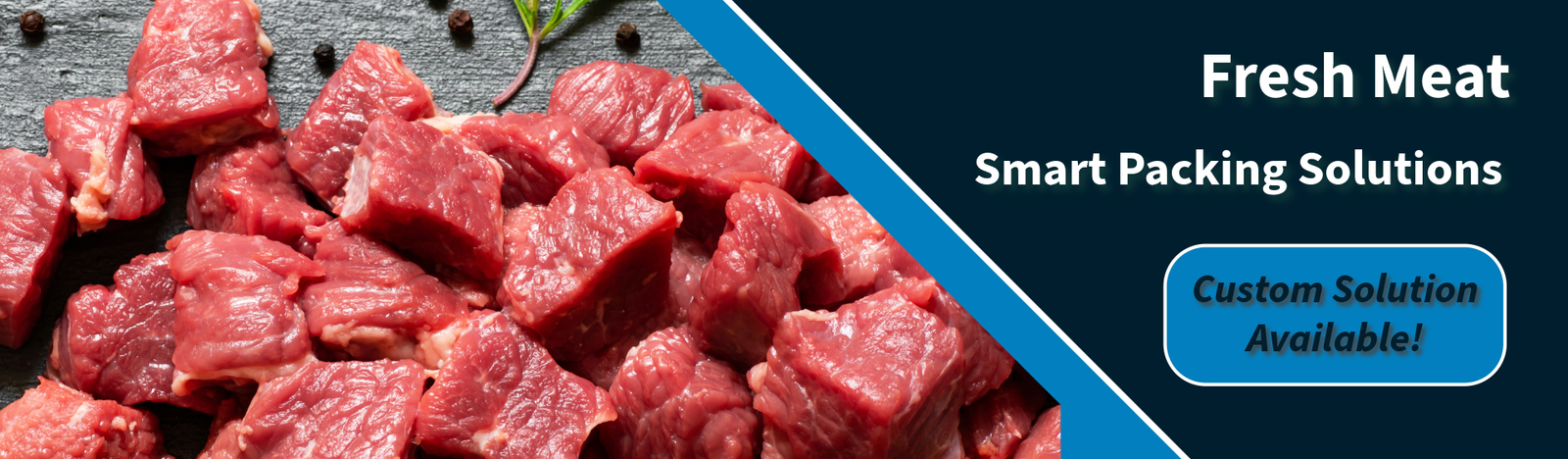
Fresh Meat Packing Machines
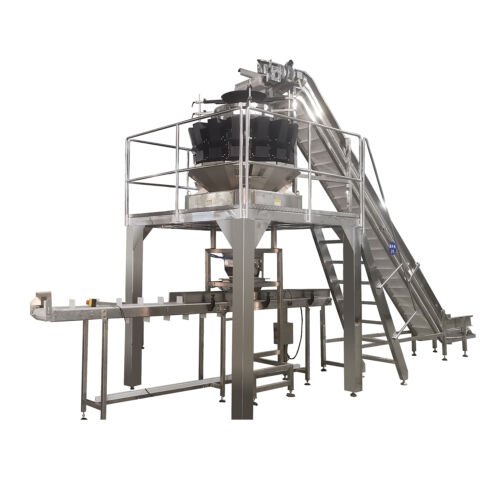
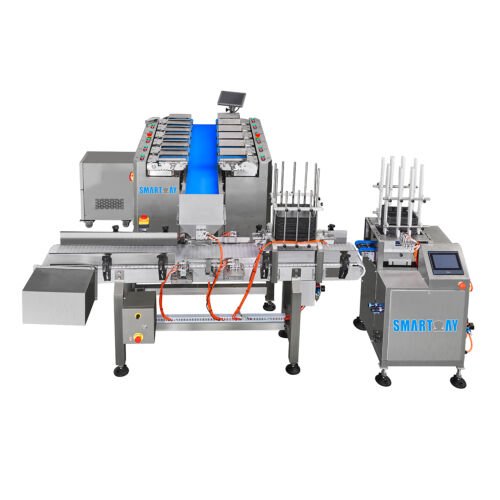
Fresh meat does not flow like dry food. Beef cubes, chicken portions, pork pieces and marinated meat can stick together, overlap or change feeding behavior with cut size, fat content and surface moisture. If portioning is unstable, a faster tray or pouch packing machine will only move the problem downstream. Smart Weigh matches the weighing method to the meat. Large or irregular pieces that cannot be reliably bulk-fed can use a belt combination weigher, while smaller sticky pieces may use an anti-stick or screw-fed multihead weigher. The weighing system can then connect with tray filling, premade pouch or vacuum packaging equipment. Representative product testing helps confirm the feeding method, accuracy, cleaning design and achievable speed.
Recommended Fresh Meat Packing Machines

Common Fresh Meat Packaging Challenges
Fresh meat equipment should be selected around more than target weight and production speed. Piece size, stickiness, marinade level and whether the product can be bulk-fed all affect the required weighing structure.
Sticky Product Flow
Wet meat can remain on feeder pans or inside hoppers, causing incomplete discharge and inaccurate portions. Patterned surfaces, scraper hoppers or screw-assisted feeding keep smaller sticky pieces moving.
Irregular Piece Weights
Chicken parts and meat cuts naturally vary in size and weight. Combination weighing selects the best group of pieces for each portion, reducing underweight packs and product giveaway.
Bulk-Feeding Limits
Large cuts may overlap, bridge or become damaged inside a standard vibratory weigher. A belt combination weigher separates the pieces and automatically finds the closest weight combination.
Juices and Cleaning
Meat juices, fat and marinade can collect around difficult-to-reach components. Removable belts or hoppers, accessible product-contact areas and stainless steel construction simplify routine cleaning.
